We are all familiar with SaaS (Software-as-a-Service), IaaS (Infrastructure-as-a-Service), PaaS (Platform-as-a-Service), and even more specialized services like LBaaS (Load Balancer-as-a-Service) and DBaaS (Database-as-a-Service). But have you heard of RaaS – Ransomware-as-a-Service?
Ransomware is one of the top five cyber threats in 2023 (https://www.cybertalk.org/2023/01/19/top-10-cyber-security-threats-in-2023/ ).
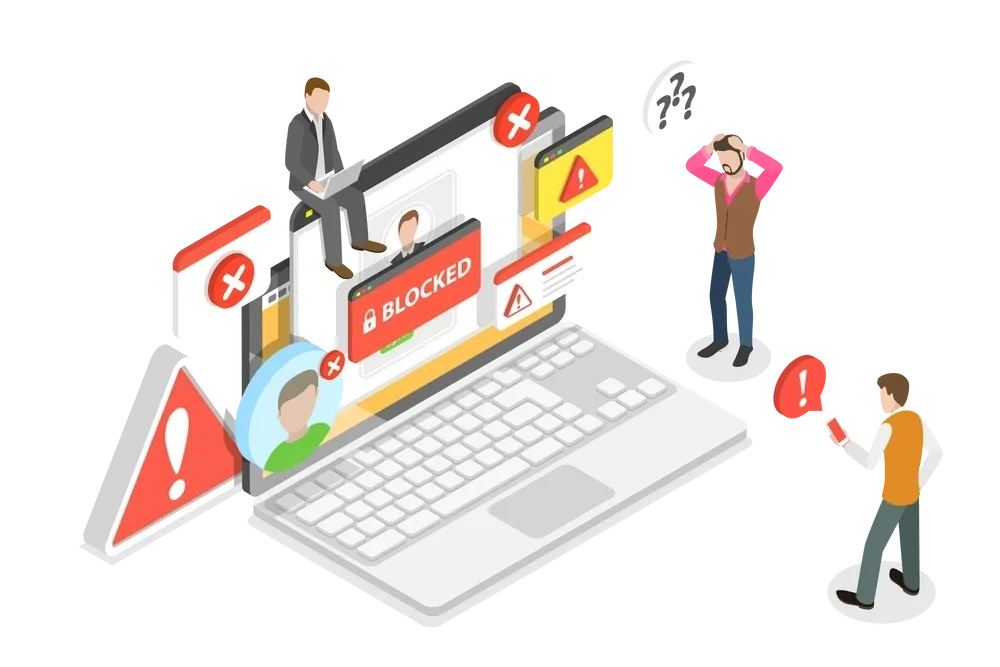
If you are not familiar with Ransomware, this malicious software is designed to block access to a computer system until a sum of money (the ransom) is paid. It’s like a digital hostage situation, where the hostage is your critical data and systems. Ransomware can have significant impacts on businesses and federal agencies, causing loss of revenue, disruption of operations, and damage to reputation. For government agencies, the impact could extend far beyond financial loss, potentially hindering the execution of critical missions and compromising national security.
Ransomware attacks typically begin with an innocent-looking email, attachment, or link. This is a form of phishing, a cyberattack method where attackers disguise themselves as trustworthy entities to trick recipients into disclosing sensitive information or installing malicious software. When the recipient clicks on the infected link or opens the malicious attachment, the ransomware is silently installed on their system. In other cases, ransomware can also be delivered via drive-by downloads, where visiting a compromised website leads to the automatic download of malware. Once installed, the ransomware begins to encrypt files on the local machine and any connected network it can access. When the encryption process is complete, a ransom note is displayed, demanding payment in exchange for the decryption key. Without this key, the encrypted files are inaccessible and essentially lost. This underhanded tactic can be particularly devastating for businesses and government agencies that rely heavily on access to their data for daily operations.
A particularly insidious form of this threat has emerged: Ransomware-as-a-Service (RaaS). RaaS involves cybercriminals developing ransomware and then selling or leasing it to other criminals who then carry out the attacks.
Yes, you heard right – there is now a marketplace for this nefarious cyber threat. In the darker corners of the internet, platforms exist where these cyber weapons are bought, sold, and even leased. This development has, in effect, commercialized ransomware attacks. This has made ransomware more accessible, reducing the barriers to entry for aspiring cybercriminals, and consequently leading to an increase in ransomware attacks worldwide.
Ransomware-as-a-Service is akin to a digital arms dealer providing high-powered weaponry to anyone with the funds to afford it. It’s as if someone has started selling fully operational tanks to anyone with a driver’s license. Now, individuals who wouldn’t ordinarily have the knowledge or ability to build such powerful machinery themselves are suddenly capable of causing immense damage. This democratization of cyber weaponry has dramatically amplified the potential for disruption and harm, making ransomware a threat that every organization must take seriously.
This business model has further perpetuated the ransomware threat. The ease of access to RaaS platforms and the potential for high returns on ransom payments have created a thriving, illicit industry. This has exponentially increased the threat landscape, as anyone with malicious intent and a little bit of cryptocurrency can now launch a ransomware attack.
So, how do we prevent, protect and recover from Ransomware?
The first and most often recommended protection method against ransomware is a reliable backup solution. Backups allow for the restoration of encrypted data without paying the ransom.
While having a robust backup solution is vital, it’s crucial to understand that not all backup solutions are created equal. A comprehensive data management strategy should be in place that goes beyond mere backup and includes security-focused backup and recovery solutions. These solutions should be designed to handle not just data loss, but specifically ransomware attacks, with features such as anomaly detection to identify unusual data changes that may signify a ransomware attack, and rapid recovery capabilities to minimize downtime.
Furthermore, it’s not just about taking backups but managing and securing those backups effectively. Backups should be regularly tested to ensure data can be restored in the event of an attack, and off-site or cloud backups should be considered to avoid local backups being compromised along with the primary data. Encryption of backups adds another layer of security, ensuring that even if backup data were to fall into the wrong hands, it would be unreadable without the encryption key.
Finally, backup solutions should align with a broader data management strategy that includes data lifecycle management, regulatory compliance, and seamless integration with existing systems. The goal is to ensure that even in the face of a ransomware attack, your data remains protected and recoverable.
While it’s critical to have a backup solution that is taking reliable snapshots of your data, it’s not the only element to preventing and recovering from a ransomware attack.
There are other measures that can and should be taken:
1. Regular Updates and Patches: Keep all systems and software updated with the latest patches. This prevents criminals from exploiting known vulnerabilities.
2. Antivirus and Antimalware Solutions: Use these tools to detect and quarantine ransomware before it causes damage.
3. Network Segmentation: Prevent an infection from spreading through your entire network by separating it into segments.
4. Restrict User Permissions: Limit potential damage by ensuring not all users have access to all systems.
5. NGFW: A good firewall can prevent certain types of ransomware from being downloaded onto your network.
6. Regular Monitoring and Auditing: Regularly check your network for irregularities and consider using intrusion detection systems.
7. Multi-factor Authentication: This additional layer of security can prevent unauthorized access.
8. Email and Web Gateways: Block spam and malware-laden emails from reaching users.
9. Disable Macro Scripts: Disabling macros, especially in email attachments, can prevent certain types of threats.
10.VPN for Remote Access: Secure connections for remote users can reduce the likelihood of a successful attack.
As you can see, to ultimately help prevent and recover from ransomware attacks, it’s not a single solution or approach. In fact, these measures bleed over into other areas of cybersecurity protection, reinforcing that modern-day cybersecurity is an integrated, encompassing, and evolving approach which can be complex and difficult to navigate.
In this ongoing battle against cyber threats, the expertise and guidance of seasoned professionals can make all the difference. At J2R Solutions, we have extensive experience in developing modern cybersecurity solutions to deal with this ever-changing landscape, including the menace of ransomware. We merge multiple decades of combined experience in federal IT with our best-of-breed technology partners to create comprehensive, integrated solutions.
Whether you’re facing the threat of Ransomware-as-a-Service or other sophisticated cyber threats, our team is ready to assist. We understand that each organization’s needs are unique, and we are committed to helping you design and implement a cybersecurity strategy that protects your valuable data and digital assets. If you’re considering how to deal with this emerging threat, don’t hesitate to reach out to us.
In conclusion, it’s important to remember that dealing with any cybersecurity threat, including ransomware, requires a comprehensive, multi-layered strategy that is constantly evolving to meet the changing landscape of cyber threats. Ransomware-as-a-Service, like all cyber threats, requires diligence, foresight, and a robust defense strategy. Stay vigilant, stay educated, and above all, stay safe in this digital age.